

_
No. 007
I’m writing this from a train. A return ticket less than twenty-four hours apart.
I think I may have ended up with the worst seat on the train. The one where you sit directly opposite a stranger and feel the tremendous discomfort of not being able to move your feet a single millimetre further without bothering the person in front of you.
Ten minutes in, we seem to have reached an unspoken agreement on the territorial boundaries between us.
The journey is getting better.
I’m on my way to visit two friends I’ve neglected for longer than I’d like to admit, so it was either this express trip or letting the chance to see them pass me by—and with it, the chance to start making up for my absence.
Time passes much faster than I’d like. At some point, I think I needed so much space that, without quite realising it, I created distance from everything—and everyone. Lately, I’ve felt the need to look back, make amends, and see more clearly who has been there all along.
You can be surrounded by people, but who holds you while you cry in the most devastating way? Who cleans the wound on your back—the one strategically placed in that damn, impossibly unreachable spot? Who insists and shows up—unannounced and uninvited—to get you out of the house simply because they know you need it, even when you’re incapable of asking for help?
And yet, at some point, even the people who know us best were strangers too.
Every day, we cross paths with thousands of people. We notice some of them, but very few ever become truly known to us. Those invisible lives that exist all around us. The people we pass while walking. The woman sitting opposite us on the train. The man who is always at the same table in the café. Someone crying while talking on the phone. Two strangers laughing. A couple sitting on “your” bench…
We see only a few seconds of their lives. And yet, behind each of them is an entire universe we will probably never have access to.
So, when did we become close? When did we decide to cross that invisible line and get to know each other? How did it happen? How many coincidences had to occur for us to ever meet?
I think of the six improbable coincidences that had to happen for Tomáš and Tereza to meet in Milan Kundera’s The Unbearable Lightness of Being. Being at that exact restaurant at the same time. A book. Beethoven. The number six. Timing. A yellow bench. Ordinary, random things that, at any other moment, would have meant nothing on their own, but somehow, at that precise moment, made Tereza notice Tomáš.
“Our day-to-day life is bombarded with fortuities—or, to be more precise, with the accidental meetings of people and events we call coincidences.”
— Milan Kundera, The Unbearable Lightness of Being
Among all the ordinary, random events of a day, certain details begin to form a composition. Chance begins to feel like meaning.
Perhaps it begins there: among the hundreds of people who pass through our lives, one of them stops being part of the background and stays long enough for us to become visible to one another. It is somewhere in that becoming visible that intimacy begins—when we stop imagining each other’s worlds and begin to see them from within.
And that is where the miracle lies. Among this sea of invisible lives, two find one another, becoming close enough to share (in) time.

_
KARAOKE BAR - ANGUS & JULIA STONE
SUNDAY WALKS PLAYLIST
A growing archive of the soundtracks
featured in each edition.
Photo via Bandcamp.com

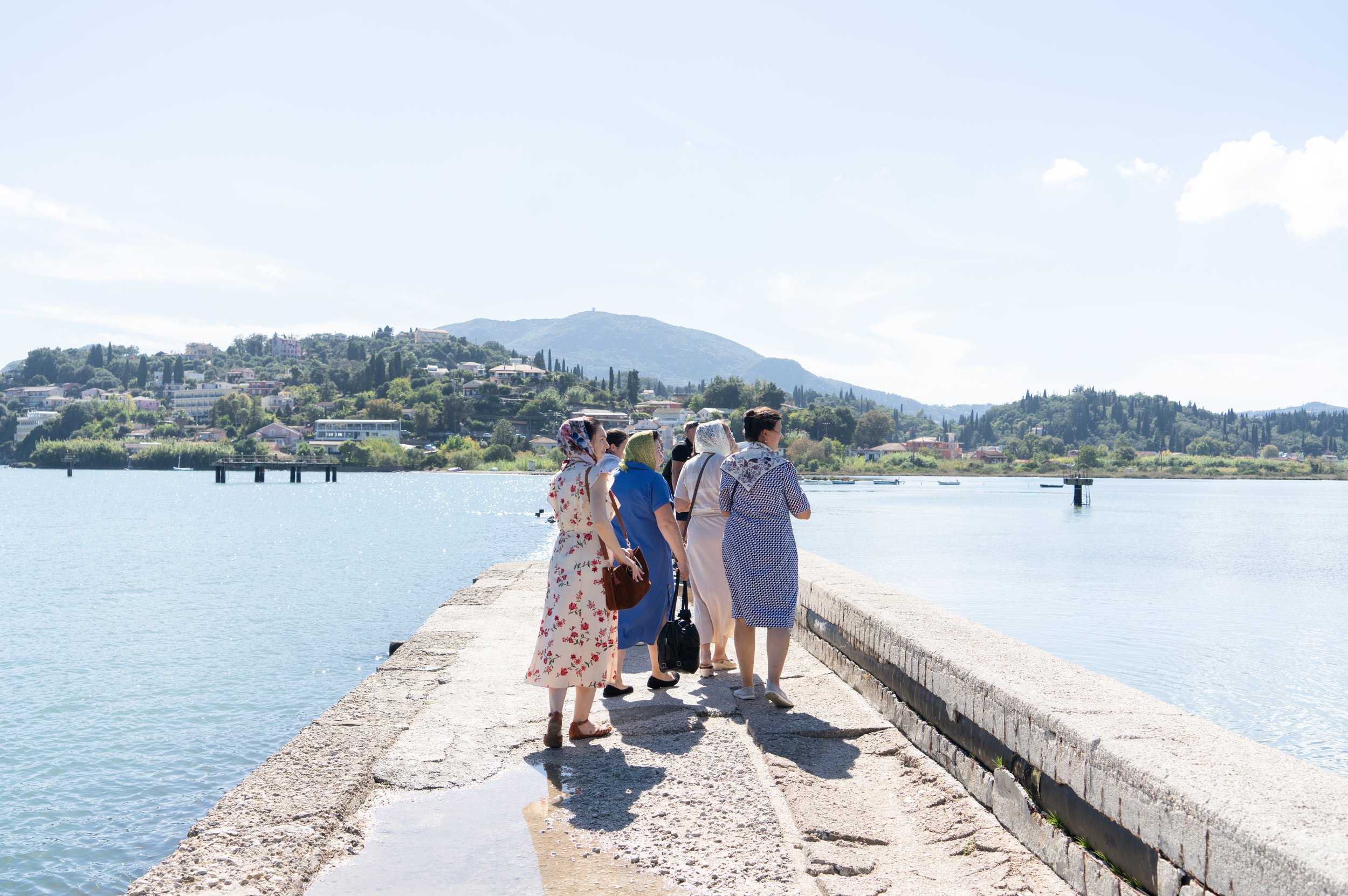
IN PASSING
I've always found myself drawn to observing people when I travel. The small interactions, the gestures, the quiet moments that might otherwise go unnoticed.
For this edition, I've selected ten photographs from a larger series I've been building over the years, capturing people who, for one reason or another, caught my attention. Looking back at them, I often wonder about the lives and stories behind these brief encounters, most of which I'll never know.

DESIRE — HARUKI MURAKAMI
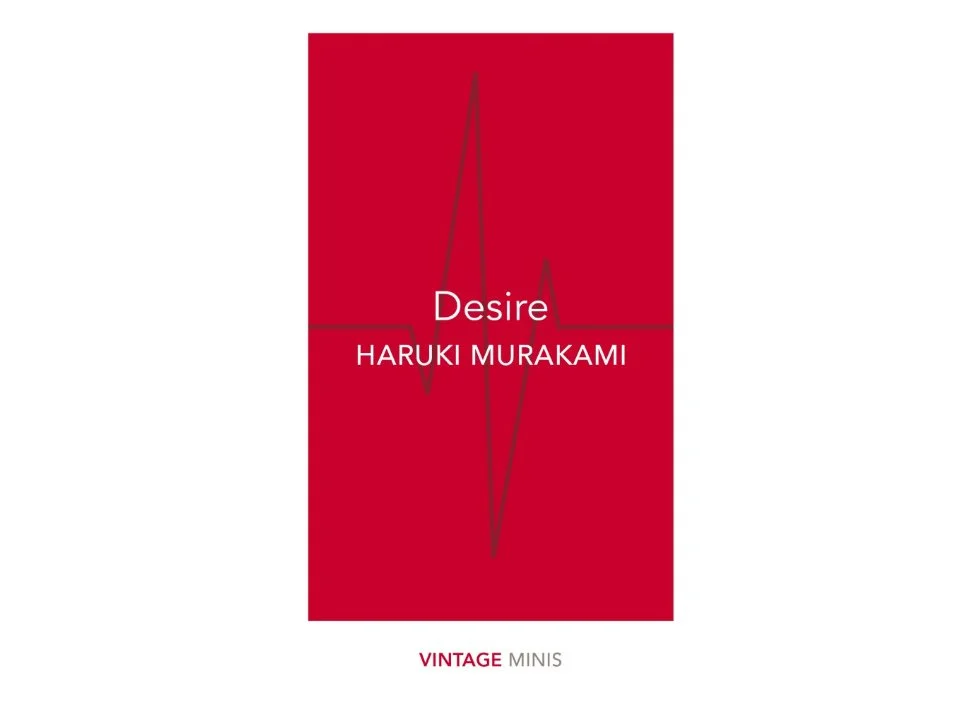
Desire brings together several short stories by Haruki Murakami, but one that stayed with me was On Seeing the 100% Perfect Girl One Beautiful April Morning. A story about something that ends before it ever begins—that strange recognition in a passing, invisible life. The feeling of I know you, though I don’t know from where. Perhaps it is projection, perhaps familiarity, or perhaps something else entirely—fate, even. Either way, there is something beautiful about what we feel instinctively, irrationally, without ever being able to explain why.
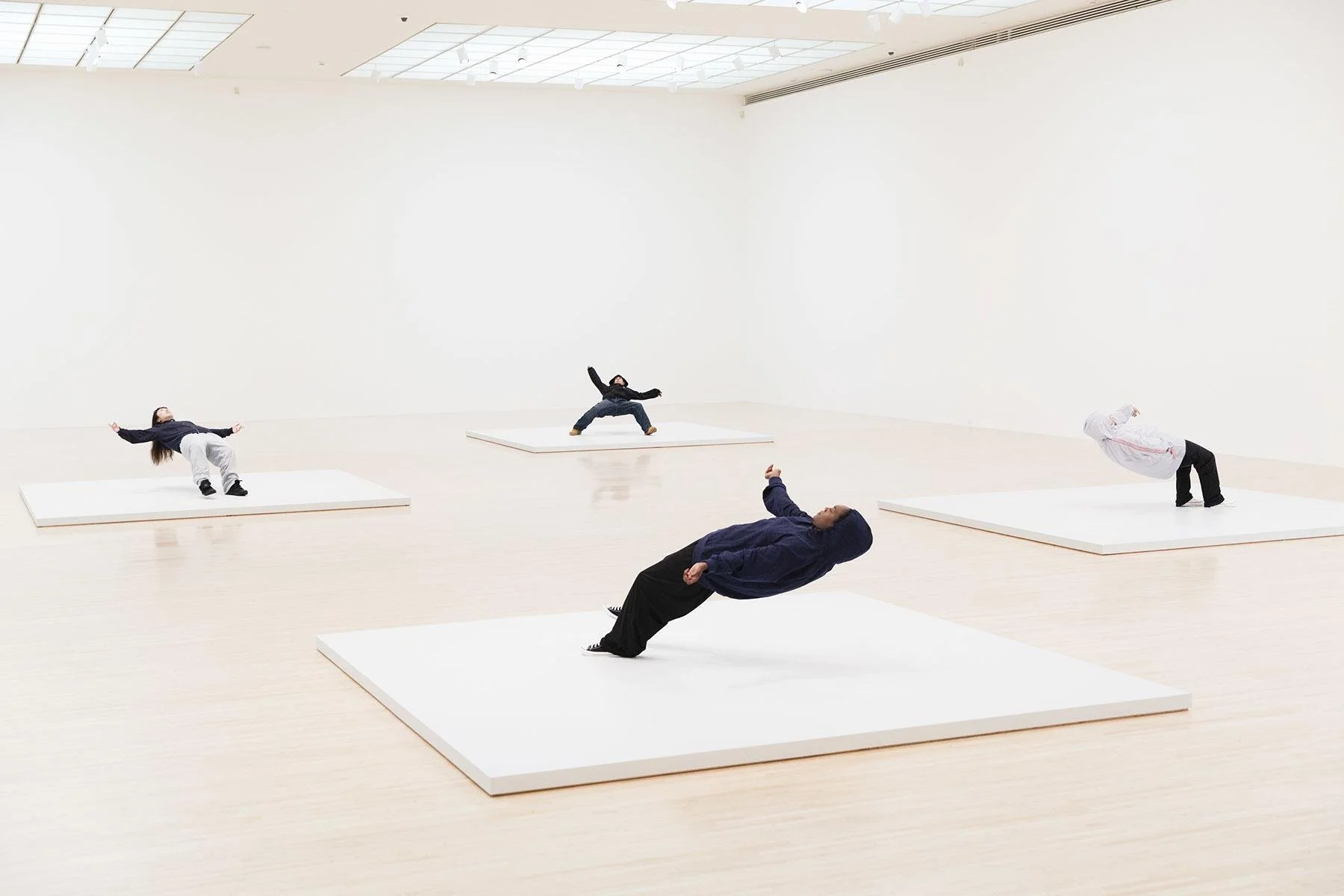
For how long can a human being exist in observed isolation?
At first glance, Xu Zhen’s In Just a Blink of an Eye seems to present a room of mannequins, bodies impossibly suspended in the act of falling. It is only when you stop, look closer and give them time that you realise they are real people. I like that quiet shift in perception—the reminder of how easily we move past the invisible lives around us, and what we might discover simply by taking the time to notice.
SHANGHAI GRAND OPERA HOUSE
By Snøhetta
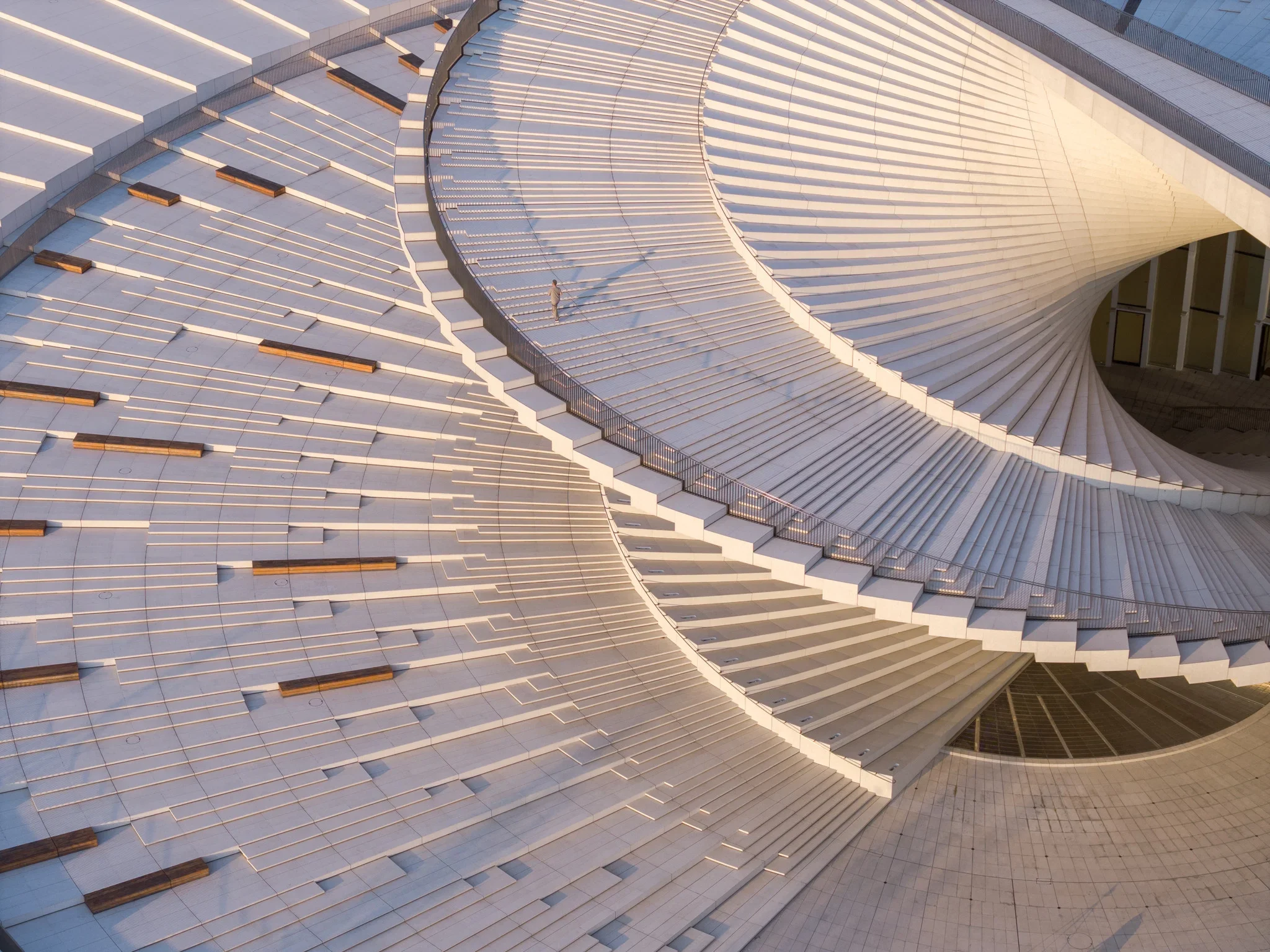
Opening on October 17, the Shanghai Grand Opera House by Snøhetta takes inspiration from the movement of the human body in dance and the unfolding of a traditional fan. Its sweeping roof extends into a spiralling staircase and public plaza overlooking the Huangpu River. What I find particularly interesting is how the building goes beyond its function as an opera house, creating a space where people can walk, pause, gather and simply spend time together. A reminder of how architecture can quietly encourage human connection, sometimes without anything more than a shared space.

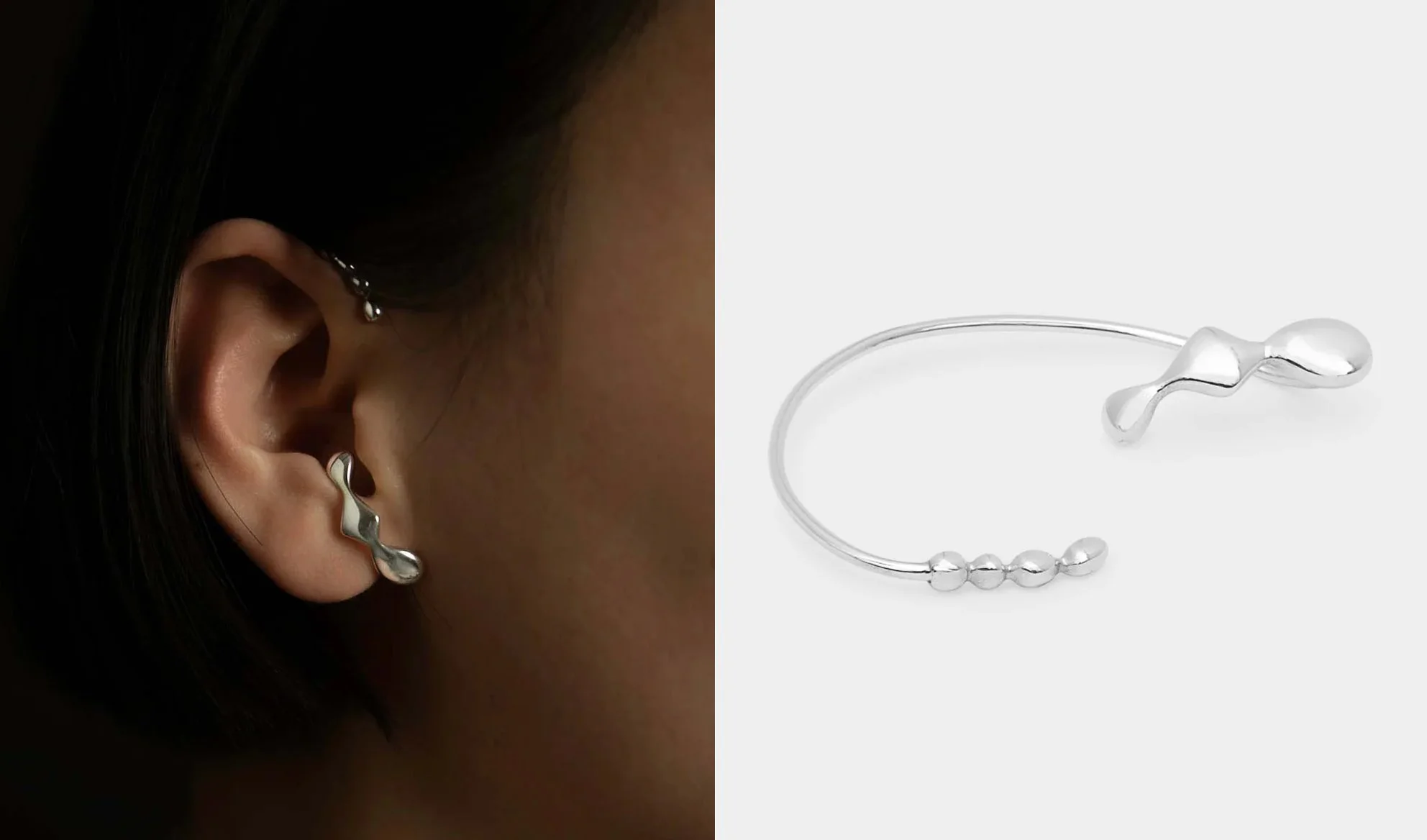
I’ve loved Mara Paris ever since I discovered the work of architect Ayça Özbank a few years ago. Her architectural background is beautifully reflected in her jewellery, where sculptural forms meet simplicity and elegance. The Flux Ear Cuff, inspired by artists such as Jean Arp and Brancusi, is next on my wishlist. I particularly love how its two organic forms appear independent, yet are held together by an almost invisible connection. I already own the Puces d’oreilles Memories earrings, and I think they would look beautiful together.

I love the quiet simplicity of the ANAMON Parasol by Kris Van Puyvelde. Inspired by a tube anemone he observed while diving, its mechanism allows the parasol to unfold almost as if blooming from its own axis, concealing the complexity behind an incredibly simple form. With subtly integrated lighting, it provides shade and light without imposing on the space around it—functional, considered and almost invisible.
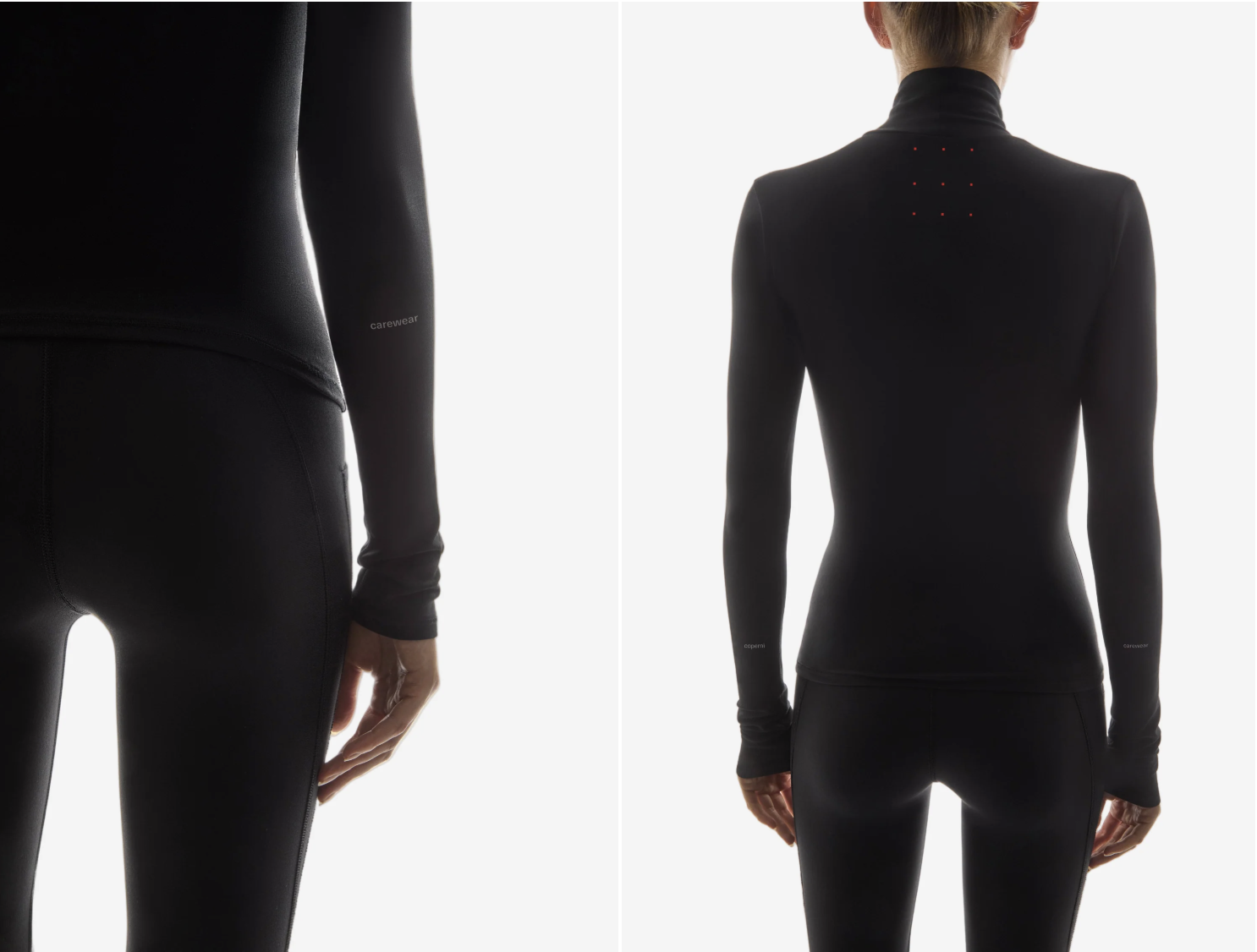
Microbiome in our clothes?
C+ is an Italian project born in Milan, at the intersection of biotechnology, skincare and textile design. What caught my attention is its approach to carewear: clothing developed around the skin microbiome. Its fabric embeds a patented blend of probiotics and prebiotics within a biobased matrix, gradually activated by body heat, movement and friction.
As we wear it, beneficial microorganisms are invisibly transferred to the skin, designed to help rebalance its microbiome and support its natural barrier and regeneration. Clothing not simply as something we wear, but as something that quietly interacts with the invisible ecosystem living on us.

MARINA ABRAMOVIC
@marinaabramovic_______
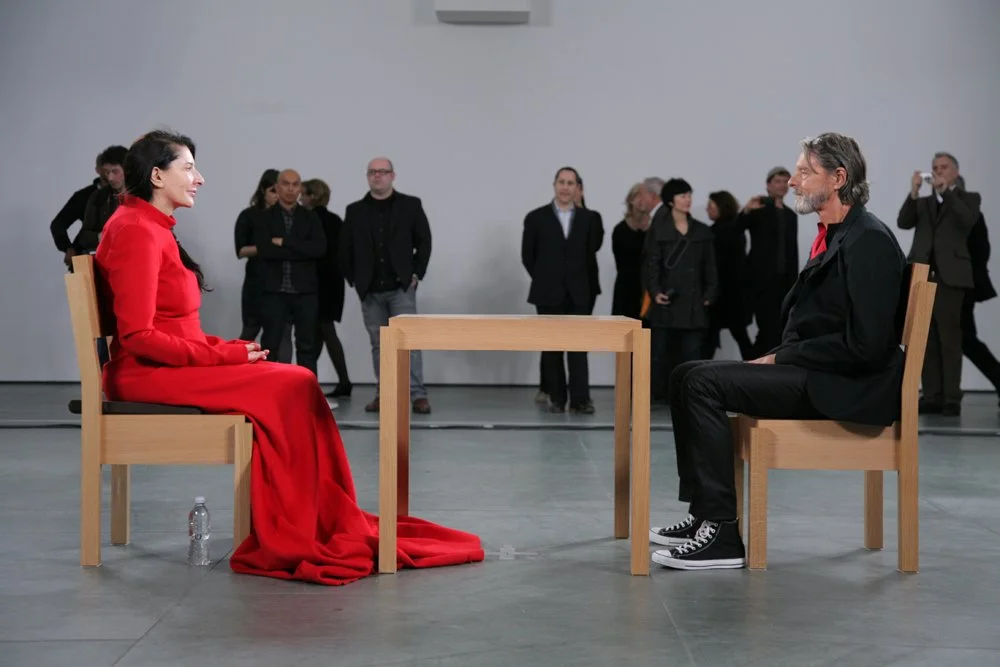
Marina Abramović’s work explores the limits of the body and mind, vulnerability, endurance and the relationship between artist and audience. In The Artist Is Present (2010), she invites strangers to sit silently across from her, exploring how something as simple as eye contact and undivided attention can create a profound sense of human connection.
“Nobody could imagine…that anybody would take time to sit and just engage in mutual gaze with me,” Abramović explained. In fact, the chair was always occupied, and there were continuous lines of people waiting to sit in it. “It was [a] complete surprise…this enormous need of humans to actually have contact.”
Excerpt from MoMALearning at www.moma.org.
ES DEVLIN
@esdevlin
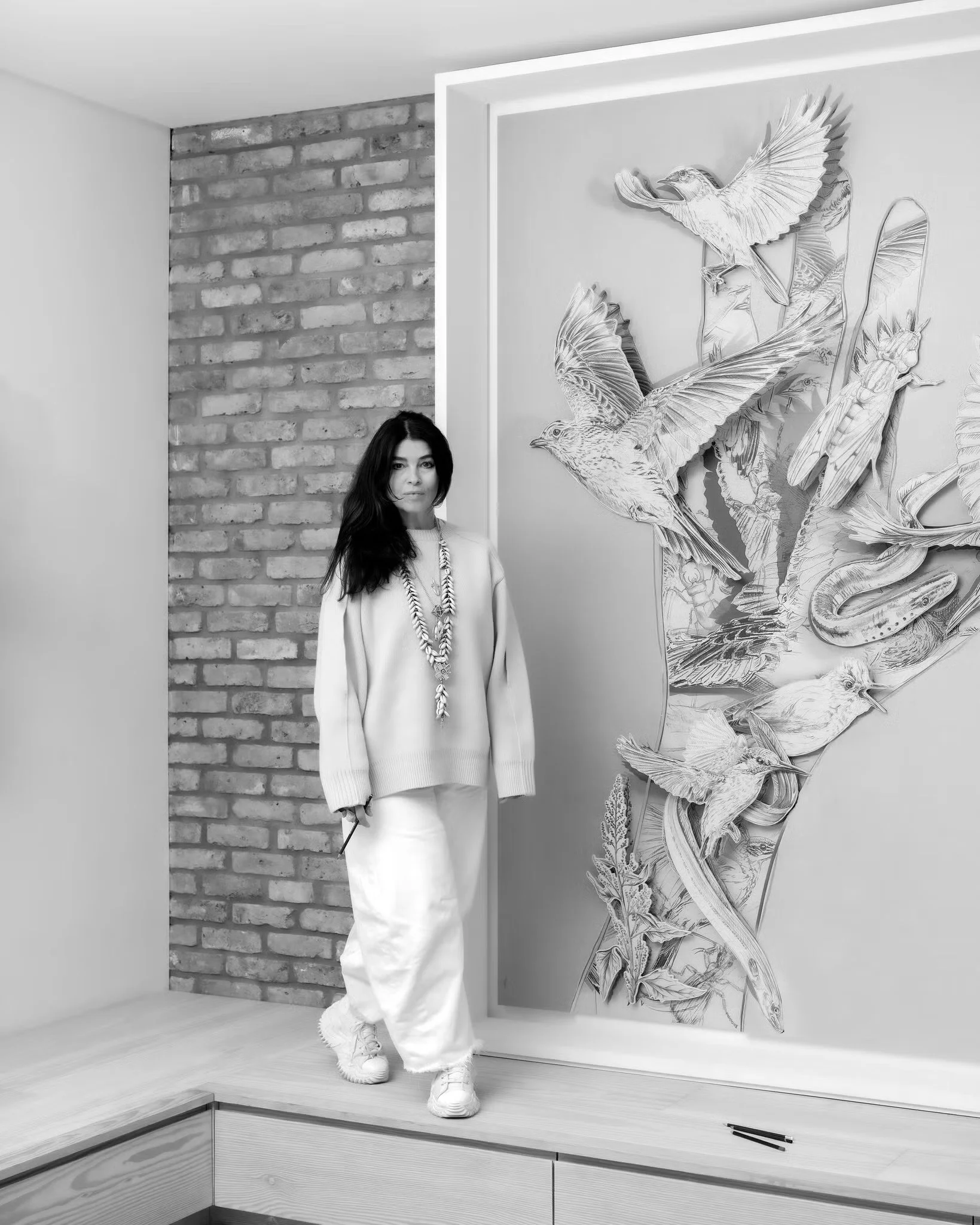
Es Devlin is a British artist and designer whose work explores the intersections of art, architecture and collective experience. In Congregation (2024), she created 50 portraits of people who had experienced forced displacement, drawing each person before listening to their story. By allowing these conversations to shape the portraits, she reveals how much our perception of someone can change once we begin to understand their experience. It reminds me how little we really know about the people we encounter, and how easily we mistake seeing someone for knowing them. Perhaps connection begins there, when we slow down long enough to pay attention and listen..
BYUNG-CHUL HAN
@han.byungchul
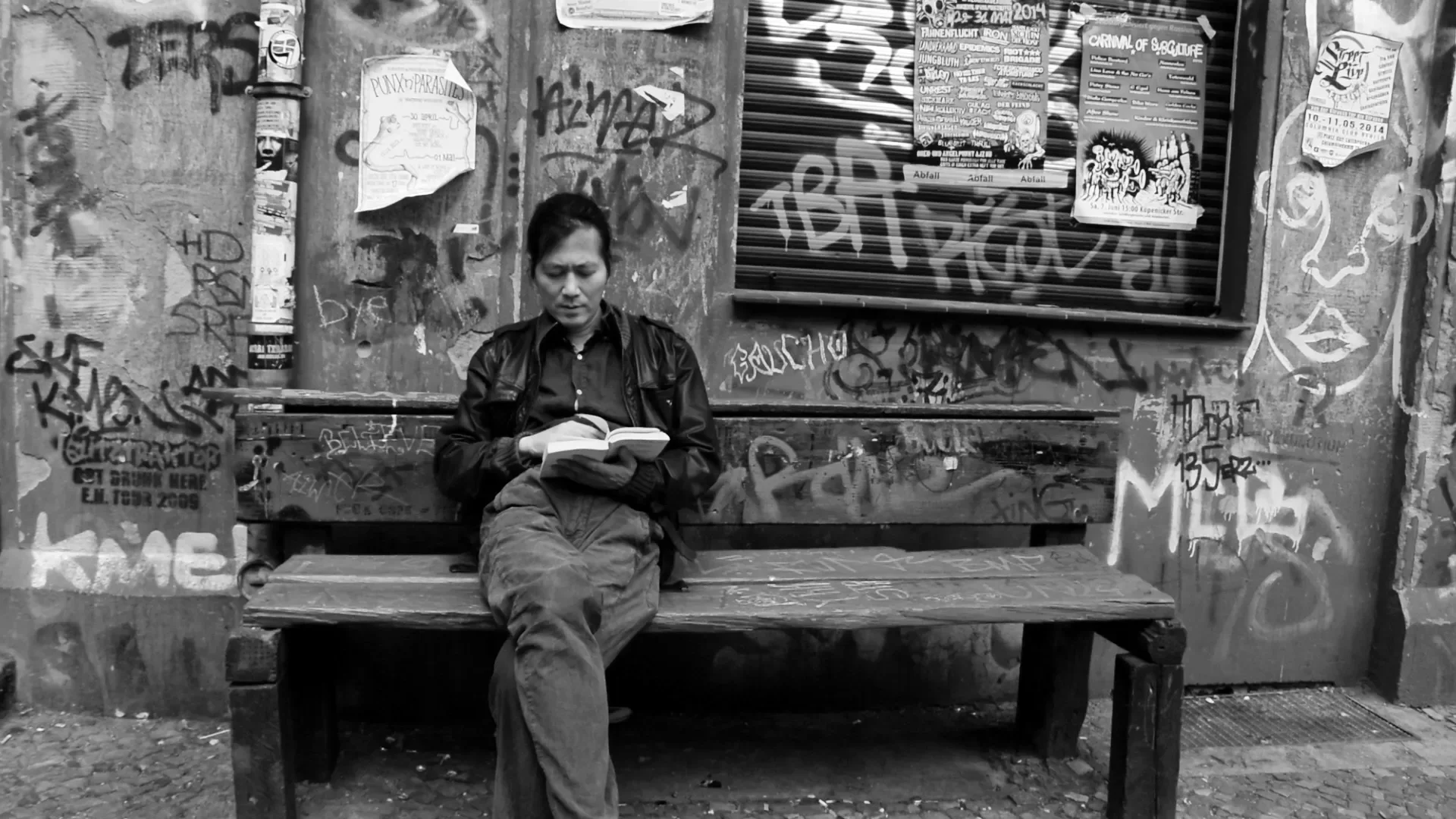
Byung-Chul Han is a South Korean-born philosopher based in Germany whose work explores contemporary society, technology, individualism and the gradual loss of human connection. I've been reading his work for years, and I keep returning to his reflections on how our increasingly connected world can leave us feeling more isolated, and how making room for others may be essential to finding meaningful connections.
SOUNDTRACK
Image via bandcamp.com
BOOKMARKS
Images via goodreads.com
www.ignant.com
FINDS
Images via mara.paris/fr
lawadesign.dk
anamon.be/
coperni.com/collections/c-carewear
VOICES
Images via nytimes.com
untitled-magazine.com
lecturassumergidas.com